
I gave students cameras and accidentally solved our school's biggest credibility problem.
We said all the right things. None of it was believable.
Visit any international school website and you'll find the same phrases: holistic education, global citizenship, community engagement. ISU had strong programmes — but those values lived in mission statements, not in the experiences students actually had or the stories the school could honestly tell.
Service learning existed. Real reflection didn't. Students arrived, helped, and left — without being required to slow down, question, or articulate what any of it meant.
Strong values on paper. No authentic evidence of those values in lived student experience.
Without structured reflection, community work becomes a résumé line — not a formative experience.

Documentary storytelling, built into service —not bolted on.
Rather than adding filmmaking as an extra activity, Docathon was embedded directly into ISU's IB servicelearning programme. Students partnered with the Dolma Ling Community Centre and its Soup Kitchen — notto produce promotional content, but to listen, observe, and represent community stories with care and ethicalintent.
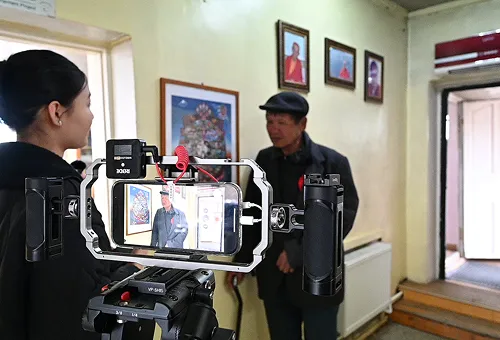
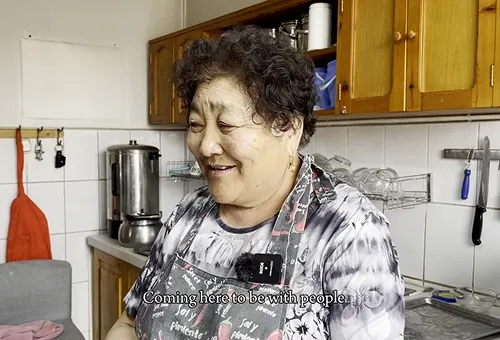
Documentary practice replaced passive volunteering. Students were required to investigate, pay attention, and reflect — with cameras as the forcing function.
The focus was on responsible representation — empathy, narrative purpose, and respect for community partners. Not promotion. Not marketing.
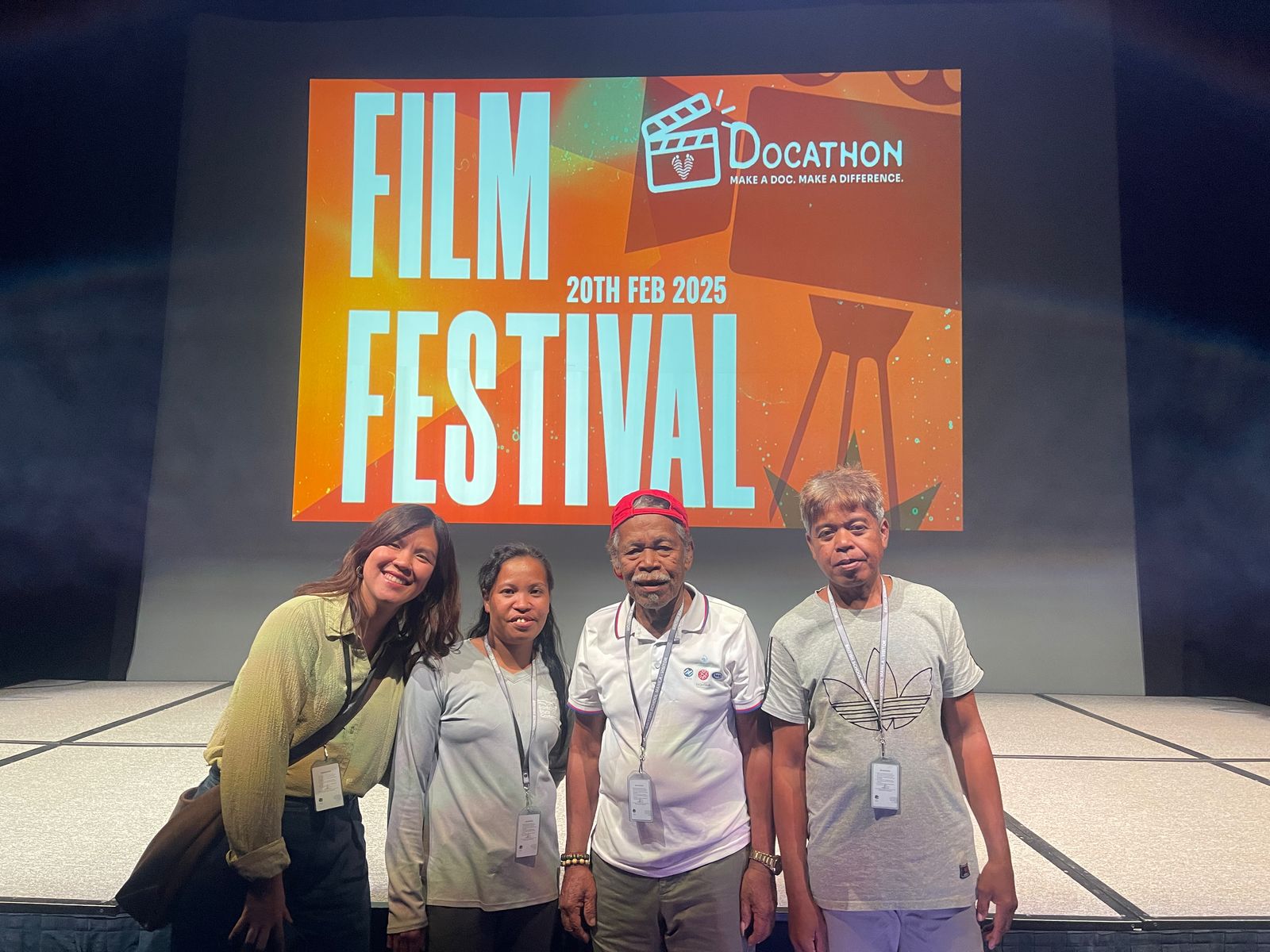
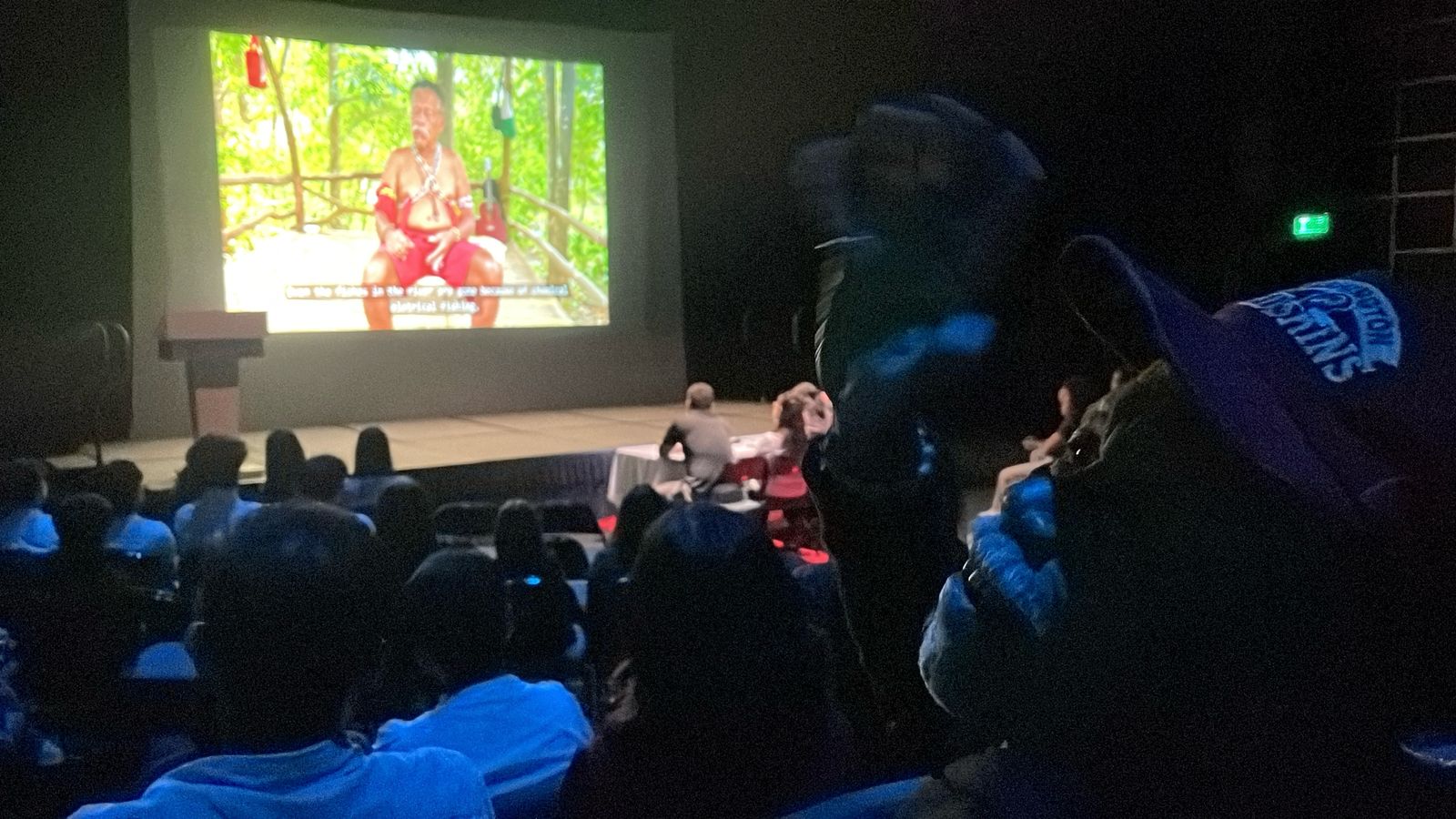
Finished films served multiple audiences: assessed by teachers as learning evidence, shared by Dolma Ling for fundraising, and used by ISU as authentic school narrative.
What students said. What actually changed.


Three things worth taking away.
If students aren't helped to pause and make sense of their experiences, the opportunity for deeper learning is missed. Docathon provides the structure to make reflection unavoidable.
Student-created stories show growth, understanding, and purpose far more clearly than slogans or marketing messages ever could. The voice and meaning come from the students themselves.
This comes down to leadership and strategy, not marketing. When schools create the conditions for genuine community engagement, the narrative follows naturally.






.svg)


.svg)


.png)
.png)
.png)