.svg)
What I Learned by Telling One Story

Katie Medina
March 26, 2026
A guest blog post by Katie, student at the International School of Tanganyika, Tanzania
Stories have been part of human life since the beginning of time. Today, more than ever, we interact with them daily through the posts and videos we scroll past for hours each day. Yet we rarely stop to ask, why? Why do stories matter?
Most of us recognize it for its entertainment purpose. However, what we often miss is its underlying power that lies in how they make us feel, think, and understand others. If so much of our time is spent scrolling, consuming them - what might change if we paused to tell stories with intention?
I have lived in Tanzania for years, knowing very little about the community that I lived in. When I first encountered Docathon, I wasn’t sure what to expect. I knew I wanted to tell a story about gender inequality in Tanzania, but I did not know where to begin. I realized to begin that journey, I had to step into someone else’s world and create a story that carries authenticity, and courage. Docathon became the platform to show me how. From that single story, my goal as an artist and my reason for telling stories have been reshaped.
Here are some of my key takeaways from my Docathon experience.
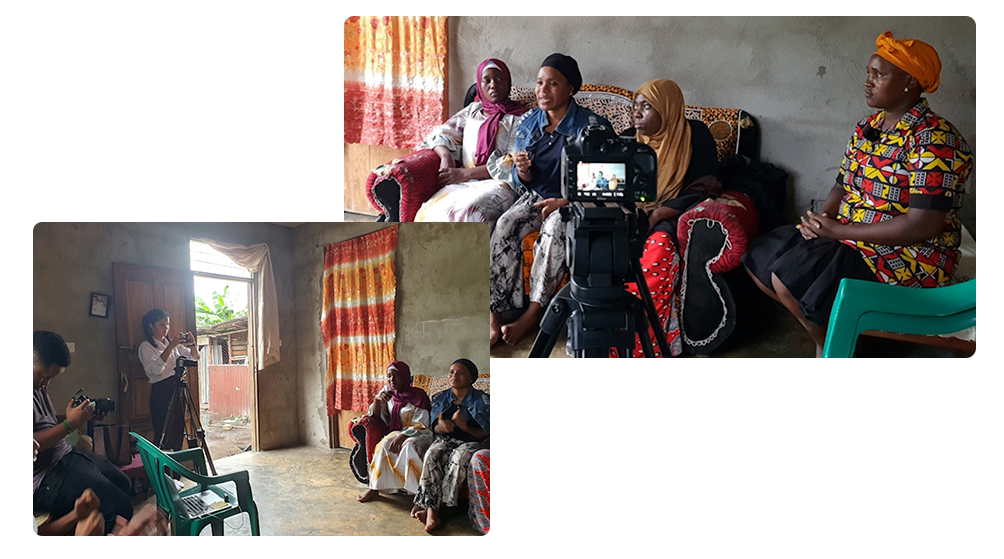
I thought I understood gender inequality in Tanzania, but listening to Leonadina’s lived experience transformed it from an issue into a human reality. Although that listening was not always comfortable, that discomfort became part of my responsibility as a storyteller to honour her truth with care and integrity. After the interview, I felt unsettled but inspired.
When stories are grounded in lived experience, audiences see not a political point, but a human reality. The most powerful stories are told with authenticity and courage; stories that share fears, truths, and the process of overcoming challenges. It is this emotional connection that engages people, moves them, and often motivates meaningful action.
Any story told with the right technique or tone can be powerful, but purposeful storytelling requires us to reach into our most honest selves and let lived experience guide the work.
For me, this became real in the editing process. I returned home with hours of footage and had to shape a woman’s life, struggles, and strength into a six-minute film. Purposeful storytelling meant deciding what to leave out as much as what to include- knowing each cut would shape how her story was understood.
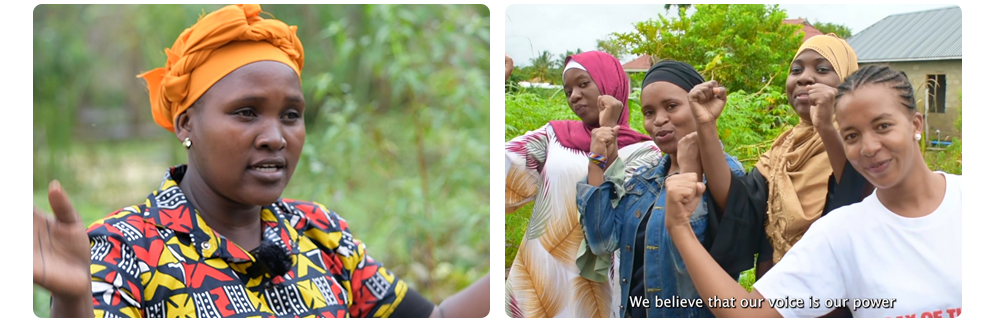
So as a purposeful storyteller, every creative choice we make- how we structure a plot, shape a storyline, or present our story to others- requires introspection, thought, and emotional courage. These decisions determine whether a story simply exists on a screen or reaches beyond it and says, Listen. This matters.
Watch Katie’s video on how she drew meaning from telling a story.
After submitting my film, I watched the Docathon screening in Kenya from my home in Tanzania. Since then, my film has been shown as far away as Monaco and the Philippines, and I have gone on to organise a Docathon after-school club and run a Docathon East Africa film festival, bringing together purposeful storytellers from across the world!
My film was shared with students, educators, and communities around the world, sparking conversations around the world on female empowerment.
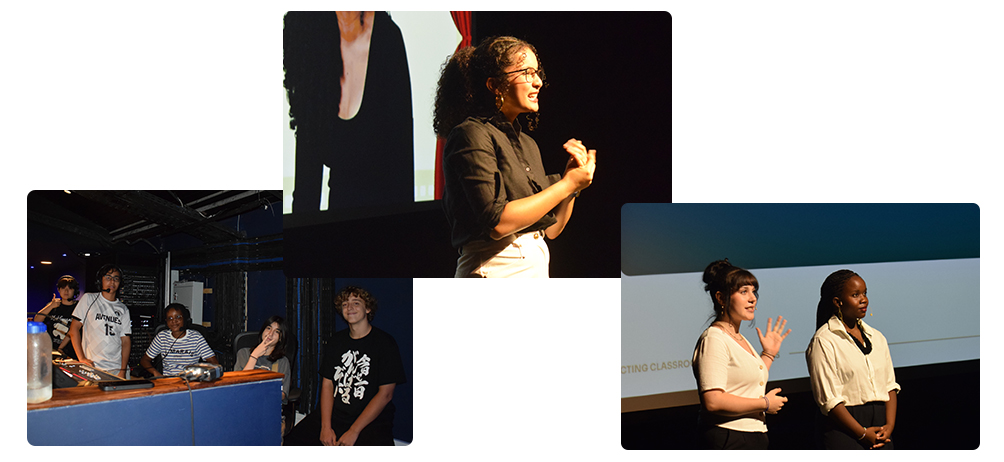
I was only 17, and I never knew I was capable of telling stories that could make such a difference.This was when I realised that my art intersects with advocacy, and that my voice could make a difference.
Through Docathon, storytelling is not just a tool for creativity. It is a tool for action.
Final thoughts:
When us students are engaged to tell our stories, we begin to see ourselves not just as learners, but as contributors. In my case, I gained confidence, agency, and a sense of responsibility to respond to the world around me with imagination and curiosity.
So here are some questions worth considering:
- What happens when learning goes beyond assignments and asks students to take responsibility?
- Are students working for grades, or for something that matters to them?
- How do we treat student voice: as something to control, or something to amplify?
I believe that when we empower youth to tell meaningful stories, we are not only teaching them to communicate. We are teaching them to imagine, empathise, and lead- and to create a more connected and compassionate world.