.svg)
Why Storytelling Matters in a World of Assumptions

Tom Graham
December 23, 2025
A few weeks ago, my downstairs neighbour started playing very loud drum and bass music.
Not just loud — the kind that reverberates through the walls and makes it impossible to think.
Almost instantly, a stream of stories formed in my head:
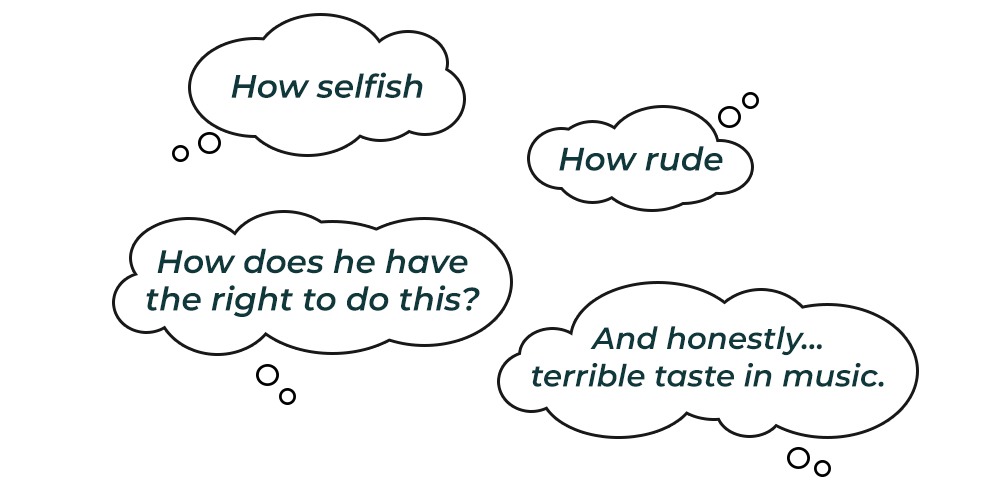
In the past, I would have done what I usually do in situations like this: suffer in silence, feel quietly annoyed, and hope it wouldn’t happen again.
This time, though, I finally drummed up the courage to knock on his door.
What I didn’t expect
His response completely disarmed me.
He was genuinely apologetic. The music, he explained, was part of a live BBC DJ broadcast he’d been invited to perform in — a rare and exciting opportunity for him. He promised it wouldn’t happen again and said he was truly sorry. He hadn’t realised how thin the walls were.
I walked back upstairs feeling something unexpected.
Yes, my point was still valid — a warning would have been considerate.
But I also felt warmer towards him. Not because the noise was justified, but because I now understood it. His excitement, his focus, his lack of awareness — it all made sense once I stepped outside my own assumptions.
From neighbours to the world
That small interaction stayed with me, because it mirrors how we often engage with global issues.
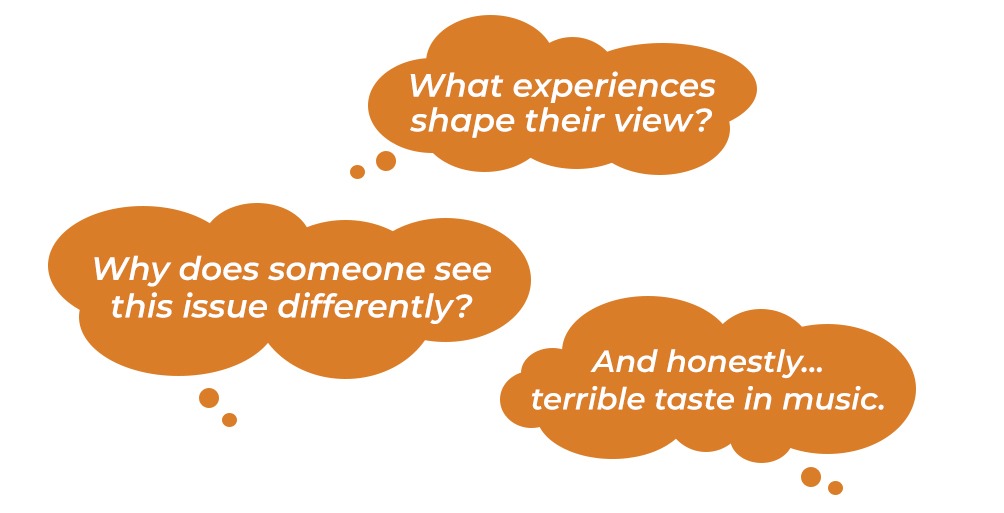
So much of the time, we lead with judgement rather than curiosity. We construct stories from a distance, filtered through our own experiences, beliefs, and increasingly, through algorithms that reinforce what we already think.
It’s easier to consume perspectives that feel familiar than to pause and ask:
Why storytelling matters
This is exactly why storytelling — especially around global and social issues — is so powerful.
Making a film forces us to slow down and understand perspectives locally.
What do people on our doorstep think about an issue? Why don’t they all think or act like we do? What contexts, pressures, and hopes shape their choices?
Sharing a film then expands that understanding outward. When stories travel, we begin to see that perspectives aren’t just “right” or “wrong” — they are shaped by place, culture, history, and lived experience. And in reality, the number of valid perspectives on any issue is almost endless.
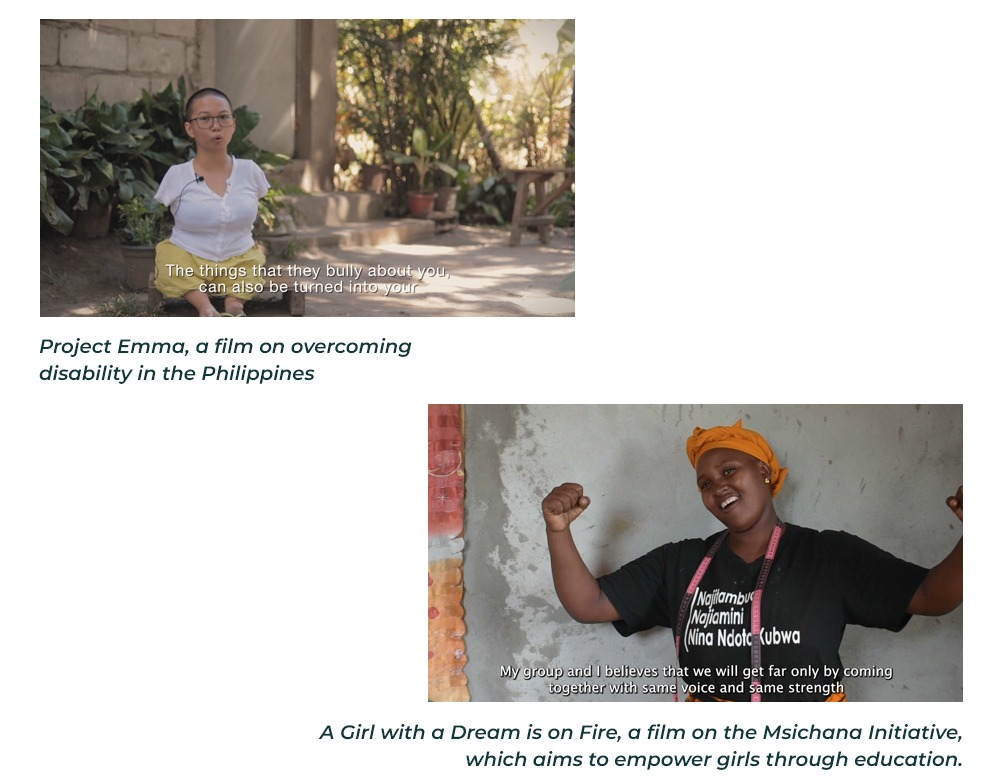
We’ll never master all of them. In fact, we won’t even get close.
But we can develop the habit of curiosity.
And curiosity, over time, leads to greater understanding — and often, greater kindness.
Just like it did with my neighbour.
A new opportunity: Global Perspectives Leader Credential
This belief sits at the heart of why we’re teaming up with RMIT University’s Media Program to launch the Global Perspectives Leader Credential.
The credential is grounded in the idea that creative digital storytelling can help us make sense of real human interactions across cultures — an area of deep interest for media practitioner and scholar Dr. Hannah Brasier, whose work explores the creative potential of digital media technologies to understand how people experience and interpret the world.
The opportunity for students
Here’s how it works:
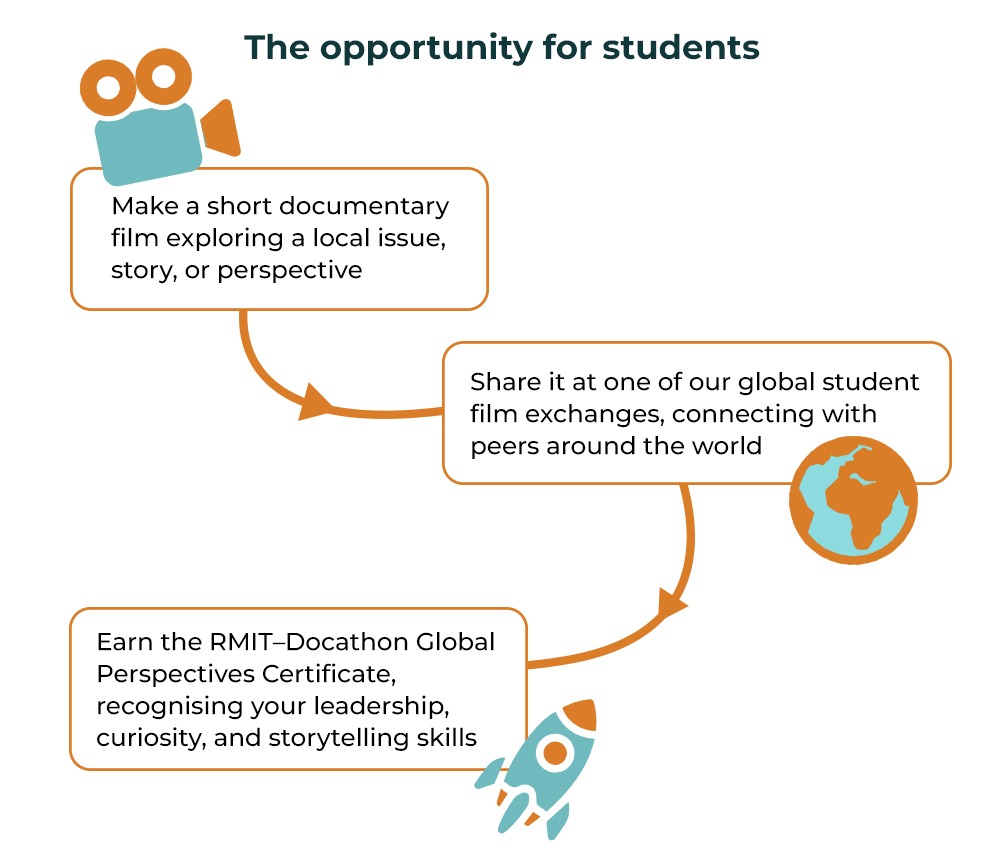
- Make a short documentary film exploring a local issue, story, or perspective
- Share it at one of our global student film exchanges, connecting with peers around the world
- Earn the RMIT–Docathon Global Perspectives Certificate, recognising your leadership, curiosity, and storytelling skills
This isn’t about having all the answers.
It’s about learning to ask better questions — and listening more deeply to the answers.
Click here to see upcoming Docathon dates and join a Global Perspectives exchange